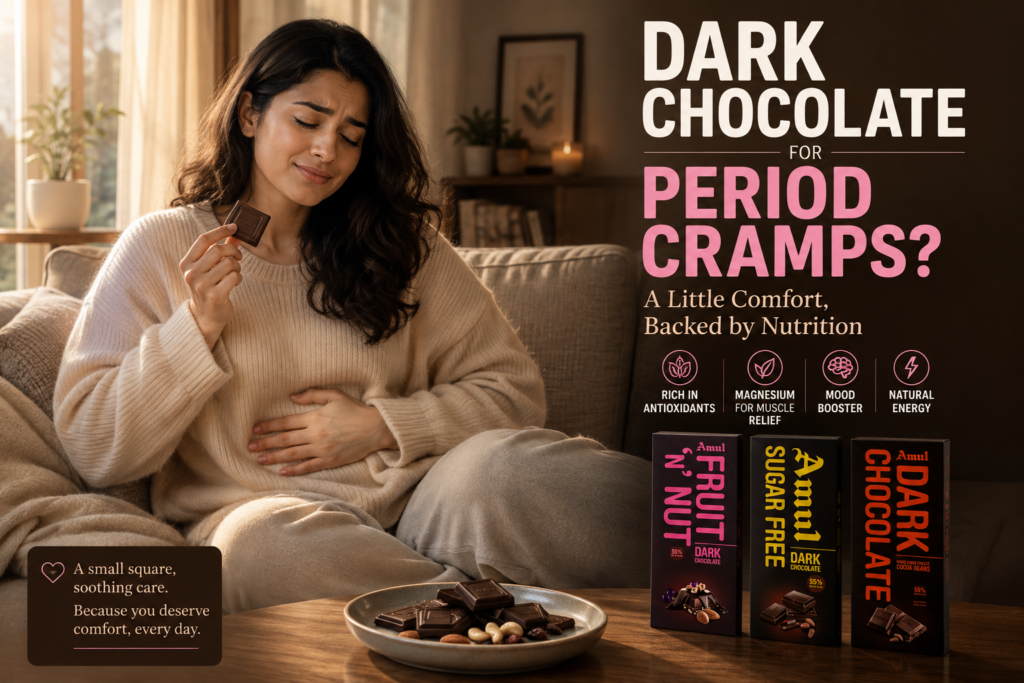

Dark chocolate during periods isn’t just an excuse we tell ourselves. There’s actually something to it.
Here’s the thing though, it’s not magic. Dark chocolate has magnesium in it, and some plant compounds called flavonoids, and both of these have been looked at for how they might affect muscle function and inflammation in the body. So when you’re curled up with cramps and you reach for that square of chocolate, your body might genuinely be onto something.
A few studies have poked around at whether dark chocolate helps with period discomfort specifically. But — and this is important — the research is still pretty thin. Nobody’s out here saying “eat chocolate, cramps gone.” That’s not how this works.
What it probably is, though, is one decent piece of a bigger picture. Pair it with good sleep, staying hydrated, maybe some gentle movement, and dark chocolate can fit in nicely as part of taking care of yourself during your period. Not a cure. Not a miracle. Just… one small thing that might actually be helping, even a little.
So next time you’re not feeling guilty about that chocolate craving — don’t. There might be a real reason your body’s asking for it.
Can Dark Chocolate Help With Period Cramps?
Possibly—but the amount of evidence available is still developing.
One small randomized controlled trial compared 70% dark chocolate with other approaches for primary menstrual pain. Participants who received dark chocolate experienced reductions in pain, although ibuprofen was found to be the most effective option overall in the study. Because the trial was small and looked at a single dose, it isn’t enough to prove that dark chocolate will work for everyone.
Still, dark chocolate contains nutrients that make it an interesting food choice during your period.
1. It Contains Magnesium
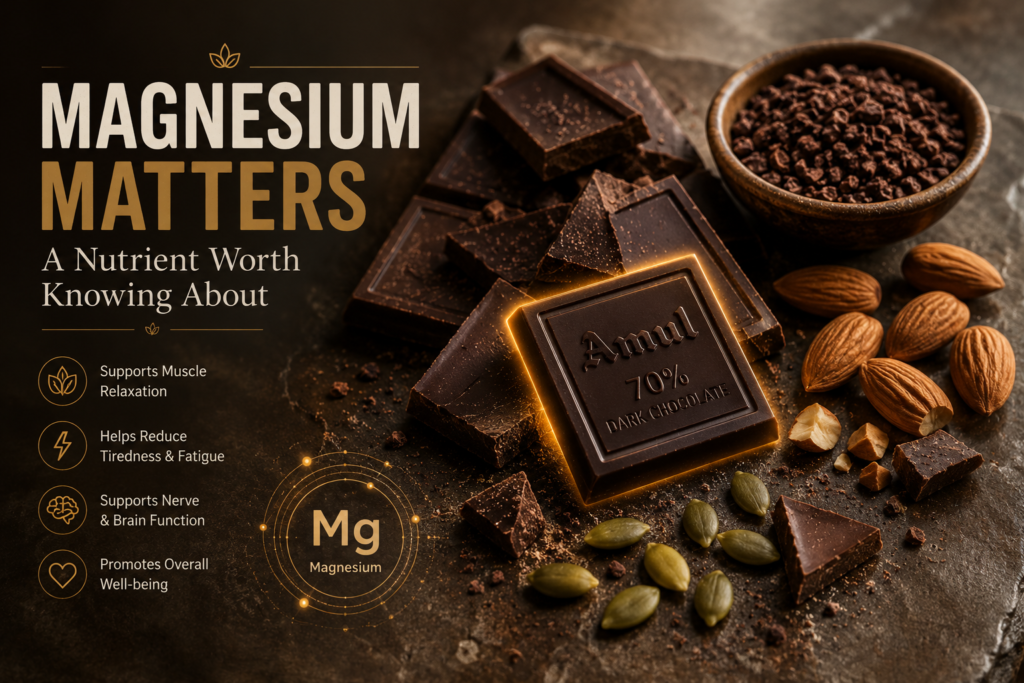
Magnesium is one of the reasons dark chocolate often gets attention when discussing menstrual comfort.
The uterus is a muscle, and magnesium plays a role in normal muscle function. Research has explored whether magnesium can help reduce menstrual cramp intensity, although the available evidence is mixed and generally limited.
So, while eating dark chocolate shouldn’t be viewed as a direct treatment for cramps, choosing a cocoa-rich variety can contribute some magnesium to your diet.
2. Cocoa Contains Flavonoids
Dark chocolate made with cocoa contains naturally occurring plant compounds called flavonoids.
These compounds are known for their antioxidant activity and have been studied for their potential effects on inflammation and cardiovascular health. Researchers have also proposed that cocoa compounds may influence pathways involved in pain and inflammation.
However, it is important not to overstate this benefit. Eating a few squares of dark chocolate does not mean that menstrual inflammation will suddenly disappear.
Think of flavonoids as one nutritional advantage of cocoa, rather than a guaranteed cramp-relief solution.
3. It Can Be a Comforting Period Snack
Sometimes the benefit isn’t only about one particular nutrient.
Periods can come with fatigue, cravings and mood changes, and having a satisfying snack can simply make the day feel a little easier.
A small portion of dark chocolate can fit comfortably into a balanced diet, particularly when paired with nutrient-rich foods such as fruit, nuts or yoghurt.
The key is choosing chocolate thoughtfully rather than treating it as an unlimited comfort food.
Why Dark Chocolate Stands Out During Your Period
Not all chocolate is nutritionally the same.
Dark chocolate generally contains a higher proportion of cocoa than milk chocolate, although the exact nutritional profile varies considerably between products.
If you’re choosing chocolate specifically for its cocoa content, check the percentage printed on the package.
Look for:
- Higher cocoa content: A 70% cocoa chocolate is a practical option if you enjoy a more intense, less sweet taste.
- Lower added sugar: Compare nutrition labels rather than assuming every dark chocolate is low in sugar.
- Simple ingredients: Chocolate with cocoa solids, cocoa butter and a relatively short ingredient list can be a straightforward choice.
- A portion you can enjoy: You don’t need a large amount to satisfy a chocolate craving.
Remember: higher cocoa doesn’t automatically mean unlimited chocolate is better. Dark chocolate can still be calorie-dense and may contain added sugar.
How Much Dark Chocolate Should You Eat During Your Period?
There is no scientifically established “period dose” of dark chocolate.
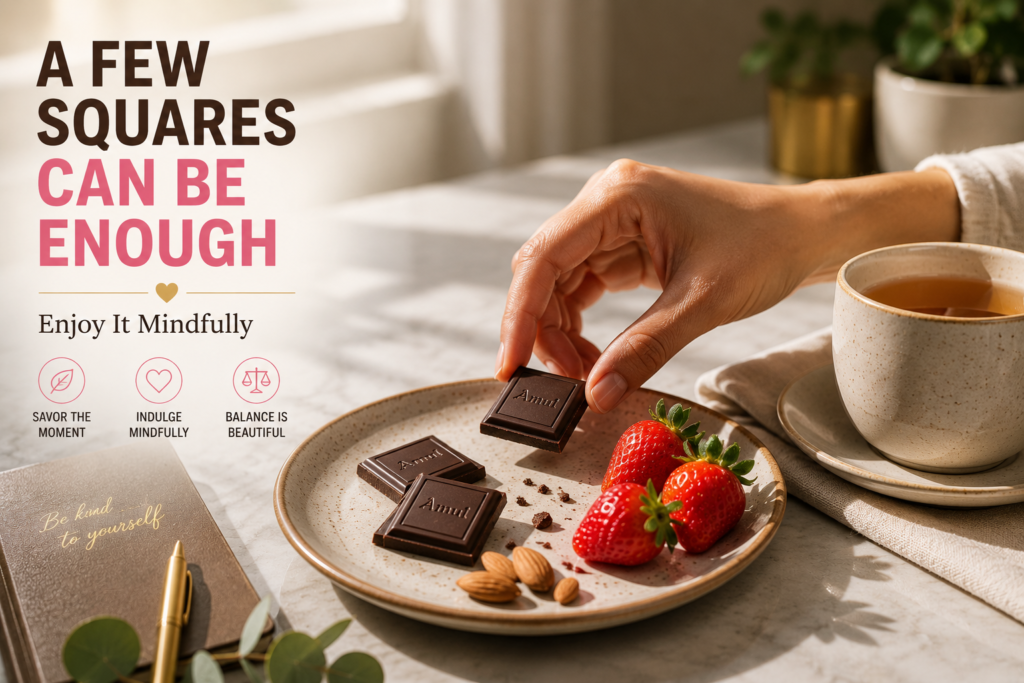
A practical serving could be around 20–30 grams, depending on the product and your overall diet. That’s often enough for a few small squares without turning a snack into a large dessert.
Instead of focusing on a strict number, pay attention to the serving size on the packaging.
You can enjoy it:
- After lunch as a small dessert
- With a handful of nuts
- Chopped over plain yoghurt
- Alongside fruit
- With a warm, unsweetened beverage
The goal is simple: enjoy the chocolate while keeping the overall snack balanced.
Dark Chocolate vs Milk Chocolate: Which Is Better?
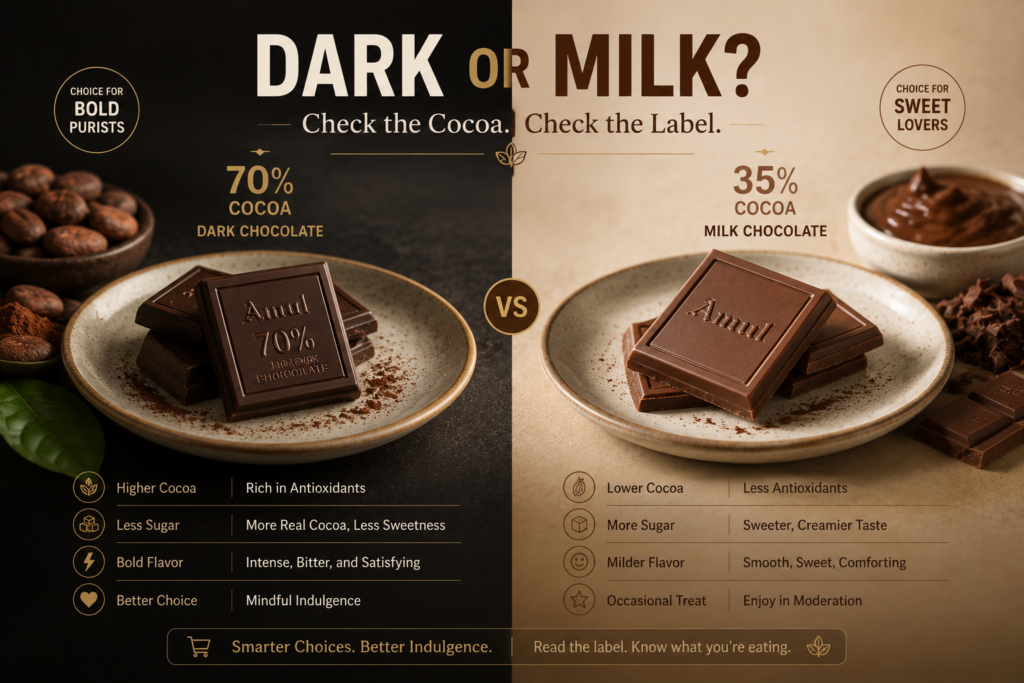
If you’re choosing chocolate during your period, the biggest difference is usually the cocoa content and overall nutrition profile.
| Feature | Dark Chocolate | Milk Chocolate |
|---|---|---|
| Cocoa content | Usually higher | Usually lower |
| Taste | Richer and more bitter | Sweeter and creamier |
| Added sugar | Varies by product | Often higher |
| Magnesium contribution | Can be higher | Generally lower |
| Best approach | Choose based on cocoa and nutrition label | Enjoy occasionally in moderate portions |
This doesn’t mean milk chocolate is “bad.” If you prefer it, you can still enjoy it.
The important thing is not to turn period food into a list of forbidden foods.
What Else Can You Do for Period Cramps?
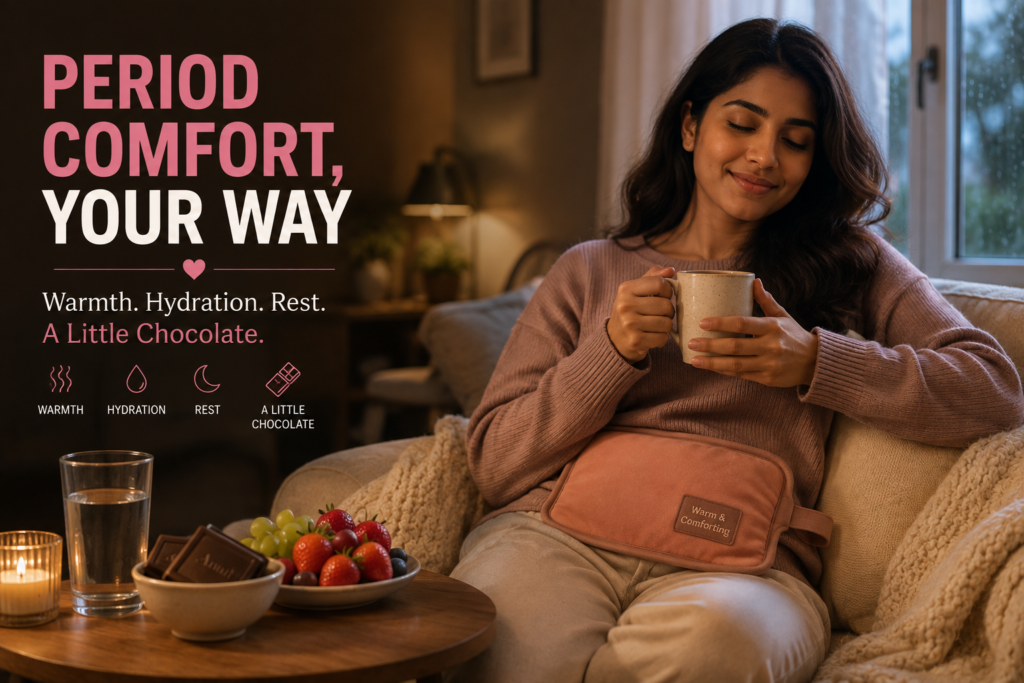
Dark chocolate is only one possible food choice. If cramps are bothering you, consider combining good nutrition with other comfort strategies.
Try:
- Staying hydrated throughout the day
- Eating regular, balanced meals
- Including magnesium-rich foods such as nuts, seeds and legumes
- Getting gentle physical activity if it feels comfortable
- Using a heating pad or warm compress
- Getting adequate rest
- Choosing pain-relief medication when appropriate and according to medical guidance
Heat has evidence supporting its use for menstrual pain, while medications such as NSAIDs are established treatments for primary dysmenorrhea.
Is Dark Chocolate a Treatment for Period Pain?
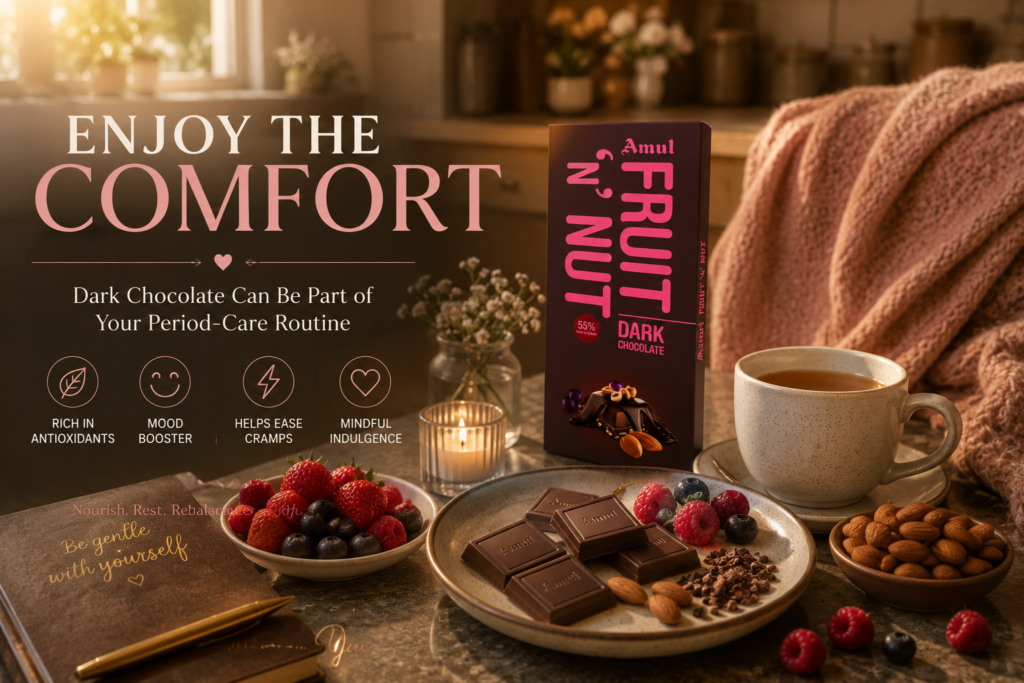
No. This distinction is important.
Dark chocolate can be part of your diet during your period, and some research suggests it may have potential benefits for menstrual discomfort. But current evidence isn’t strong enough to recommend dark chocolate as a standalone treatment for period cramps. Reviews of dietary supplements and nutritional approaches have generally found that evidence remains limited or low quality.
If your menstrual pain is severe, getting worse over time, interfering with school or work, or not improving with usual measures, speak with a healthcare professional. Significant or persistent period pain can sometimes be associated with an underlying condition and deserves proper evaluation.
The Bottom Line: Can You Eat Dark Chocolate on Your Period?
Yes, dark chocolate is totally fine during your period. Actually more than fine.
The cocoa-rich stuff has magnesium in it, plus these things called flavonoids, and honestly it just hits different when you’re craving chocolate anyway (which, let’s be real, happens a lot around that time of the month). Some research has looked into whether dark chocolate helps with period pain and the results look promising, but nobody’s calling it a cure yet. So don’t expect it to make your cramps disappear — but it’s not doing nothing either.
Have your few squares. Seriously, go for it. Just try to eat okay otherwise, drink your water, and do whatever else helps you feel better — hot water bag, lying down for a bit, whatever your thing is.
At the end of the day period care isn’t about giving up chocolate or anything else you like eating. It’s just about not going overboard and actually paying attention while you enjoy it.
This is general info, not medical advice — talk to your doctor for anything specific to you.