


Winter season comes along with warm evenings, drinks, and tasty seasonal foods. But besides, chilly weather may cause some seasonal diseases, like colds and flu. Thus, at this time, one should take proper care of one’s health. Eating winter immunity foods that naturally support your health is a one great step!
It can be done in very simple ways, for example, maintaining healthy nutrition. It is good news that winter season is rich in various useful fruits, vegetables, nuts and many other products that contain vitamins, minerals and antioxidants.
What is more important, no fancy supplements or special diets are needed. All that is necessary is just to include various seasonal products into your everyday diet.
Now let’s see some of the foods that should be included in our winter diet.
1. Oranges
Oranges are considered one of the most consumed fruits during winter. Oranges are a good source of vitamin C, which is responsible for ensuring proper functioning of the immune system.
Apart from vitamin C, oranges also have antioxidants and water, which make them healthy fruits to consume. You can consume them whole, put them in a fruit salad, or drink freshly squeezed orange juice.
2. Amla (Indian Gooseberry)
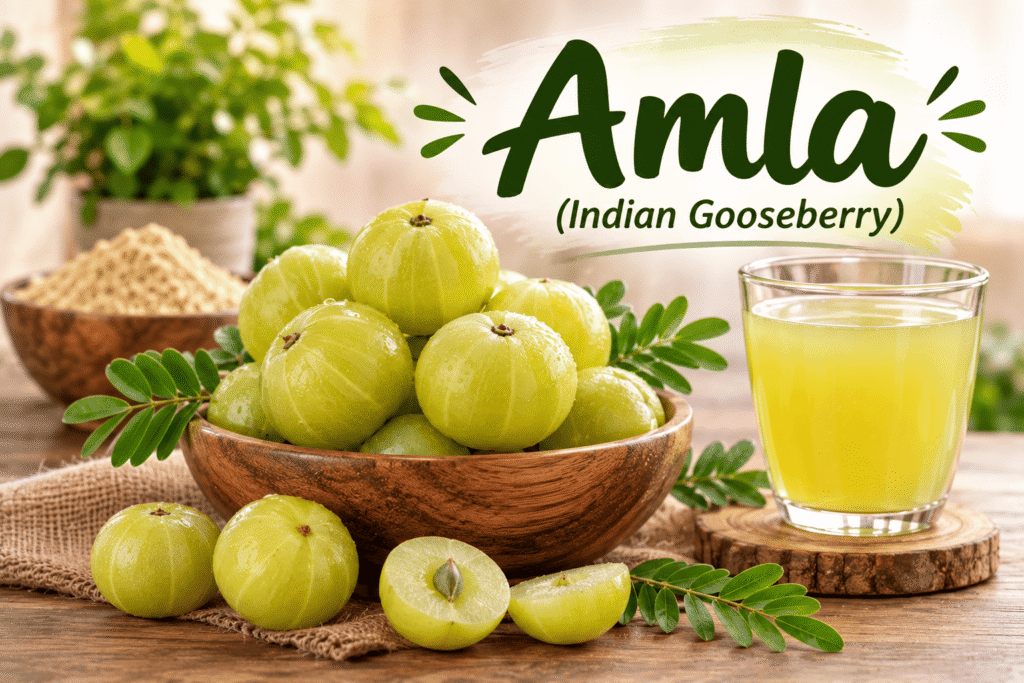
Amla is a healthy fruit rich in vitamins and antioxidants, which includes vitamin C in higher amounts.
There are several ways you could have amla in your diet. You could eat it raw, use it in chutney, or make amla juice at home. But remember to pick one which appeals to your taste and digestion system.
3. Spinach
Spinach is a leafy green vegetable that is full of nutrition and is commonly available in winter. It is rich in vitamin A, C, and K and also has folate.
Furthermore, spinach also has antioxidants which help in maintaining good health. Palak sabzi can be made, or spinach can be added to soups and even in dal. Hence, it would be nice for the winter season.
4. Carrots

The carrot is yet another vegetable which should be consumed during the winter months. It is rich in beta-carotene, which is converted by the body to vitamin A. Vitamin A helps maintain good skin, eyesight, and immune system health.
Furthermore, carrots have dietary fiber that assists in digestive processes. You may consume them raw, use them to make carrot soup, combine them with vegetables or eat some gajar ka halwa.
5. Sweet Potatoes
Sweet potatoes are not only filling but also nutritious because they contain beta carotene. In addition to that, sweet potatoes are good sources of vitamin C, potassium, and fiber.
Moreover, they are naturally sweet, and for that reason they can be used in dishes to make them healthier. They can be cooked in various ways: boiled, baked or added to soups and other vegetable dishes.
6. Almonds and Walnuts
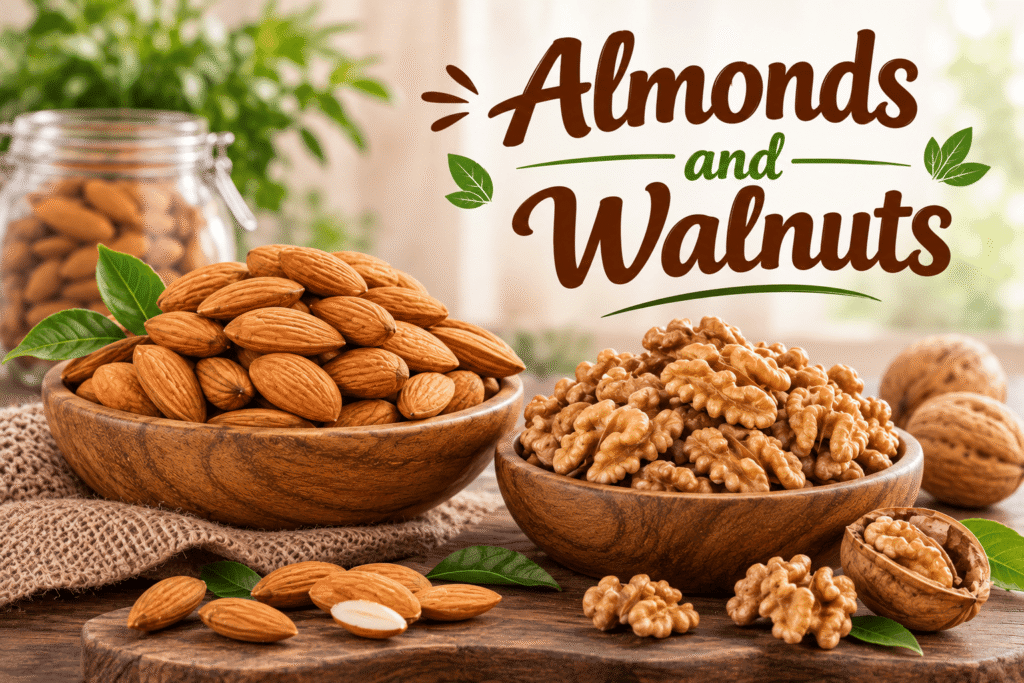
Fats, vitamins E, minerals, and antioxidants can be found in nuts like almonds and walnuts. They promote good health and aid in maintaining a healthy diet.
Moreover, nuts are great snack options for winter. They can be consumed in moderation during breaks between your meals, as well as included into porridge, smoothies, and breakfast cereals with chopped almonds and walnuts.
7. Ginger
Ginger is widely used in Indian kitchens, particularly in winter. This spice has certain components known as gingerols that help fight free radicals, thus reducing inflammation.
Furthermore, ginger gives a warming effect to the food consumed. Fresh ginger can be added to tea, soup, dal, or vegetables. Consumption of a cup of ginger tea can also make the cold morning more bearable.
8. Garlic
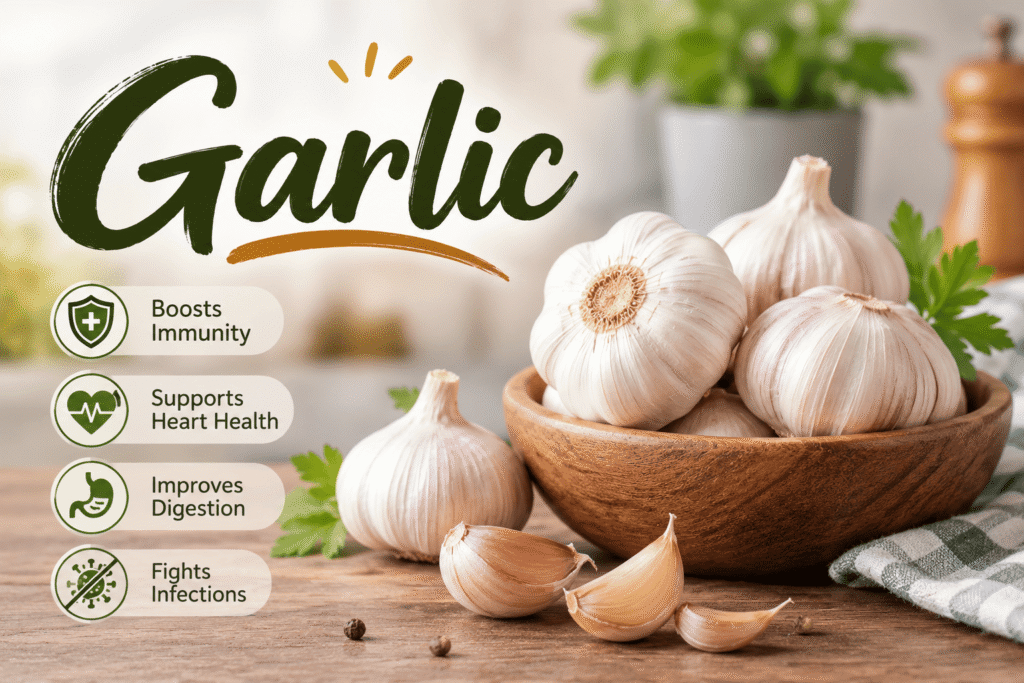
Garlic is a flavor enhancer for food but is also nutritious because it has phytochemicals.
Allicin is one of the phytochemicals that are produced when garlic is crushed.
Furthermore, garlic can be easily incorporated into Indian recipes. Garlic can be added to dals, soups, curries, and vegetables.
Simple Tips to Maintain a Healthy Winter Diet

Apart from eating healthy foods in your meals, there are certain habits that can contribute towards improving your health.
- Seasonal fruits and vegetables: Eat a variety of colors and types of fruits and vegetables. Try eating fresh fruits and vegetables.
- Drink plenty of water: Make sure to drink enough water during the day, whether you feel thirsty or not.
- Protein intake: Try to eat dal, beans, eggs, paneer or some other food item containing protein.
- Balanced meals: Consume meals containing vegetables, whole grains, fat and protein.
- Ensure adequate sleep: Follow a proper sleeping schedule.
- Physical activity: Do some form of physical exercise like walking or stretching, etc.

Finally, keep in mind that no single food item can protect you from infections or provide immunity.
Conclusion
Winter is a great period to eat fresh fruits and veggies, nuts, and wholesome dishes. Oranges, amla, spinach, carrots, almonds, ginger, and yoghurt are some examples of foods packed with all those vital minerals and vitamins which play a crucial role in proper functioning of immune system.
So try to make little but constant changes in your eating habits. Just make sure you include healthy products in your diet, drink enough water, and lead a healthy lifestyle.