



Kishmish price per kg is one of those things you don’t really think about… until you’re standing in a shop or scrolling online and notice the price isn’t what you expected.
Sometimes it feels cheap, sometimes a bit high—and you just pick one without thinking too much. But if you’ve ever compared two packs side by side and wondered why there’s a difference, you’re not alone.
It’s actually pretty simple once you notice a few small things.
Types of Kishmish That Affect Kishmish Price Per Kg
A lot of people assume kishmish is just… kishmish. But when you look closely, there are clear differences.
Some are light golden, some are dark, some slightly greenish. And they don’t taste the same either.
Golden ones are usually a bit more expensive. They look nicer, softer, and slightly tangy-sweet. These are the ones you often see in sweets or festive dishes.
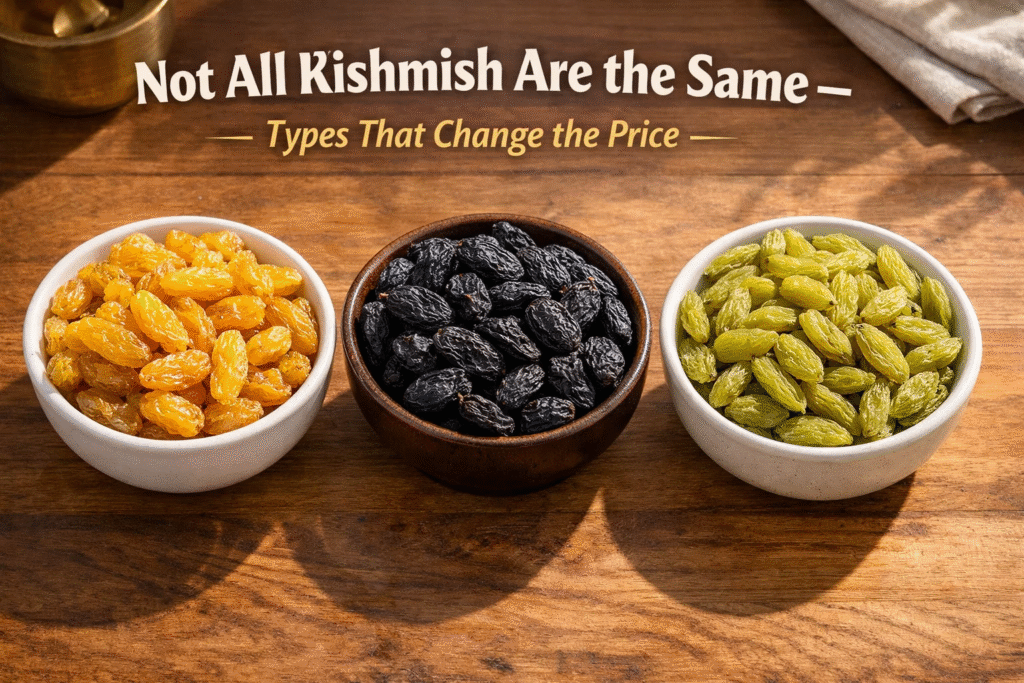
The darker ones? A bit more natural, sometimes sweeter, sometimes softer. And usually easier on the pocket.
So when the price changes, many times it’s just because you’re looking at a different type without realizing it.
How Quality Impacts Kishmish Price Per Kg
This part most people notice only after buying.
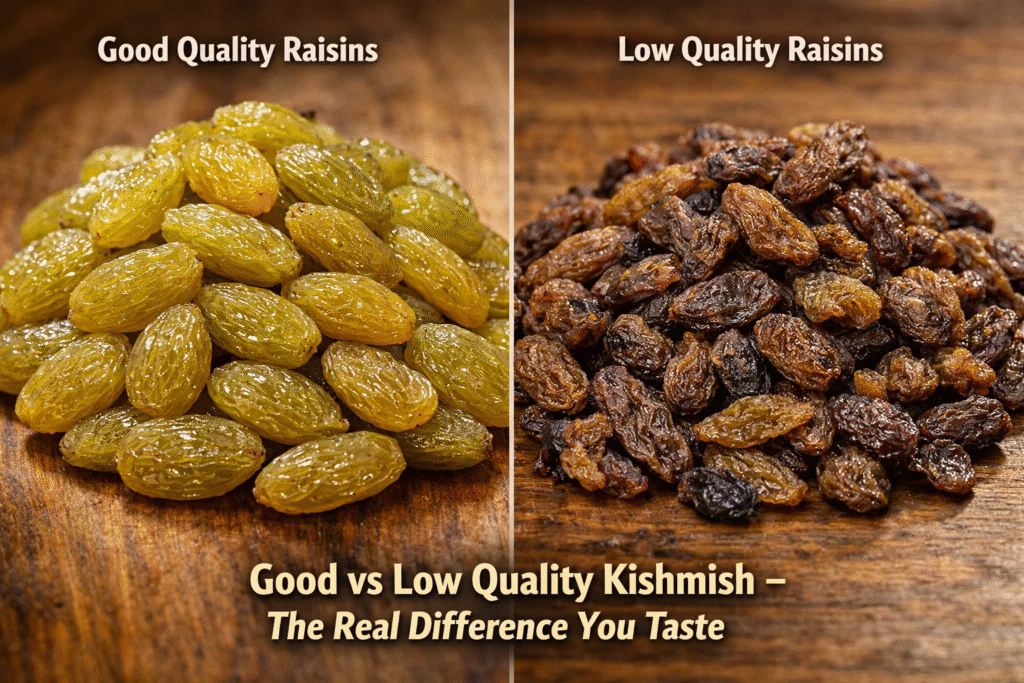
You open the pack and either:
- The kishmish feels soft and fresh
- Or it feels dry, slightly hard, and not that great to eat
That difference comes from quality.
Good kishmish is usually:
- Slightly plump
- Soft when you press it
- Even in size
Cheaper ones might look okay from outside, but inside the pack, you’ll find broken pieces or very dry ones.
And honestly, once you’ve had better quality, it’s hard to go back with aapkabazar.
Prices Also Move With the Season
Not something we think about daily, but kishmish comes from grapes. So weather and farming play a role.
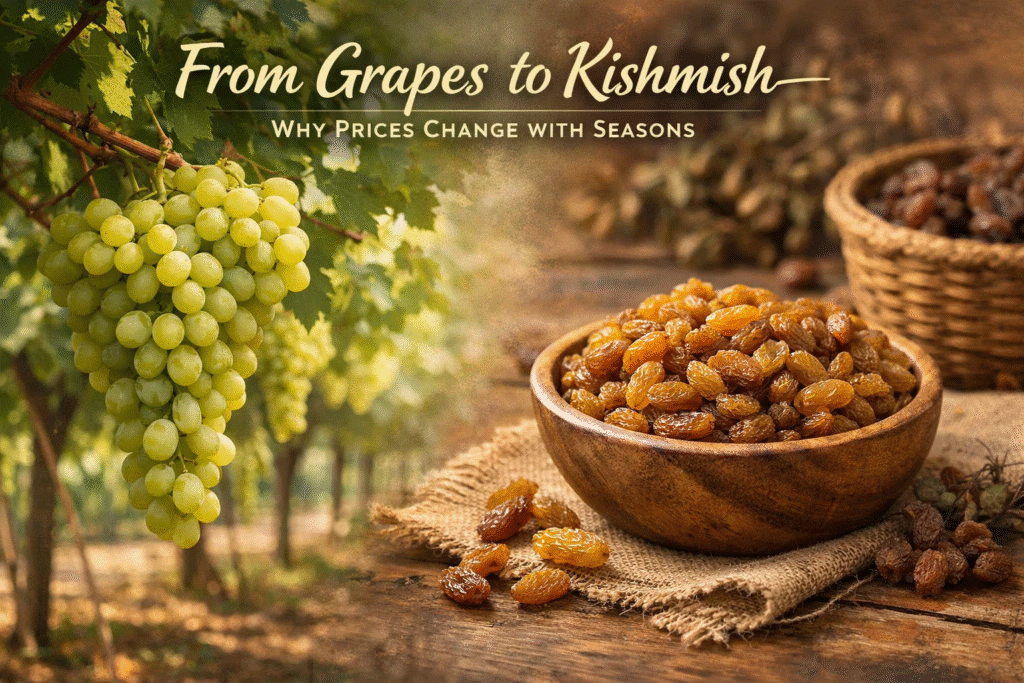
When the harvest is fresh and supply is good, prices stay normal.
But when stock gets older or supply reduces, prices slowly increase.
It’s not dramatic—but noticeable if you buy regularly.
That’s why sometimes you feel like, “Didn’t I buy this cheaper last time?”
Loose vs Packed – The Usual Confusion
If you’ve ever bought from a local shop, you’ve probably seen loose kishmish sold at a lower price.
It’s tempting. And sometimes it’s okay too.
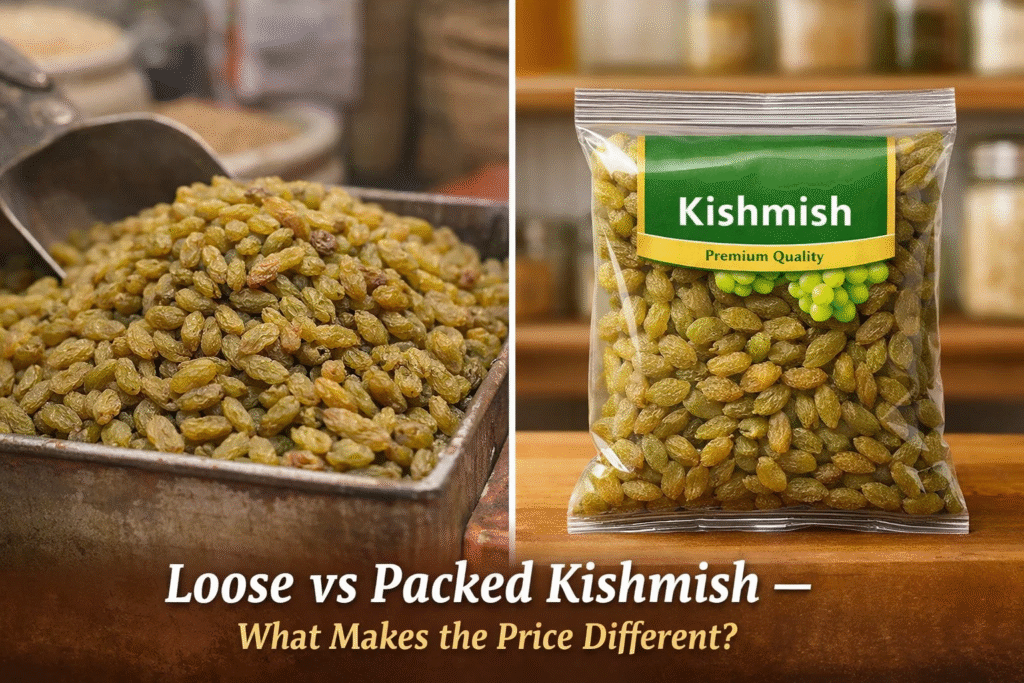
But there’s a small catch:
- You don’t always know how long it’s been stored
- Cleanliness can vary
- Taste may not be consistent
Packed kishmish, on the other hand, is more sorted and predictable. You kind of know what you’re getting.
So the price difference here isn’t random—it’s about consistency
If you’ve ever noticed how prices change even for everyday items, it’s not just limited to dry fruits. The same pattern shows up in daily essentials too. For example, in this detailed breakdown of Amul Gold Milk Price Review – Simple Truth You Should Know, you’ll see how factors like supply, demand, and sourcing quietly influence pricing. It’s a similar story with kishmish—once you understand the basics, those small price changes start making a lot more sense.