
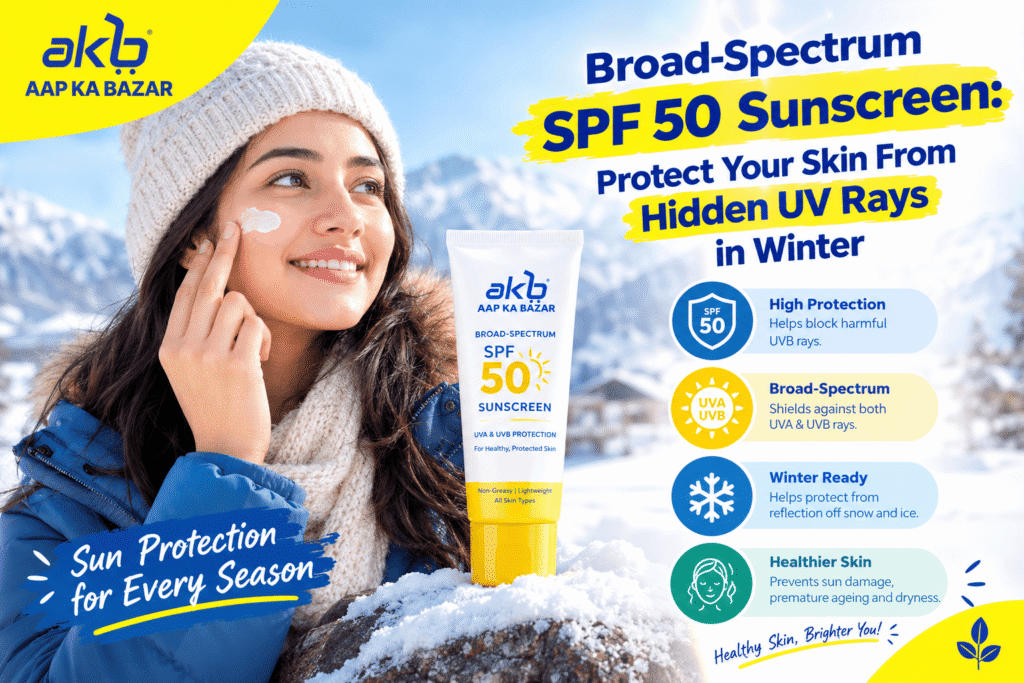

Many individuals consider the usage of sunscreen necessary only during summertime. However, UV rays can harm the skin in all seasons, irrespective of the weather being cold or cloudy. In addition, the presence of snow or ice can result in reflection of UV rays, resulting in an increase in their exposure to the skin in some winter environments.
Hence, the use of a broad-spectrum SPF 50 sunscreen becomes vital in winter skincare.
1. Understand the Importance of Broad-Spectrum Protection

First of all, it is necessary to note that not all sunscreens provide the same kind of protection. UVA radiation causes skin aging, whereas UVB radiation is one of the main reasons for sunburns.
The broad-spectrum sunscreen can protect an individual from both kinds of radiation. Moreover, SPF 50 ensures effective protection against UVB rays.
Thus, the use of broad-spectrum SPF 50 sunscreen may be beneficial in the protection of the skin from UV damage on a daily basis, even in winter.
2. Protect Your Skin From Hidden Winter UV Rays
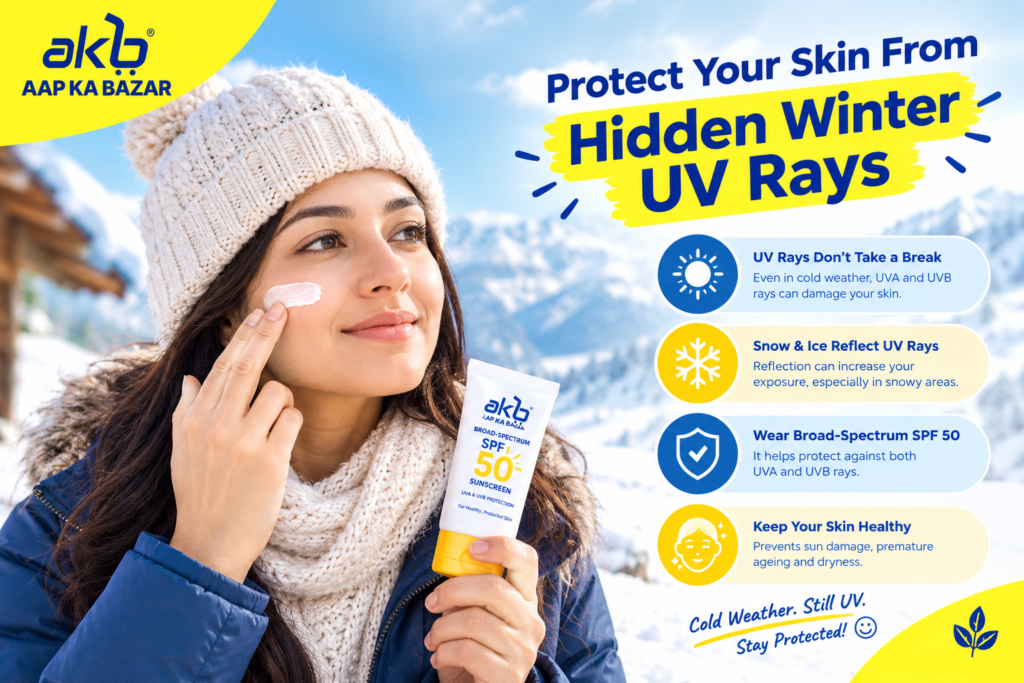
In winter, sunlight might appear less powerful because of the low temperature. However, UV light can get through your skin even on a cold and cloudy day.
Additionally, snow and ice reflect UV light, and thus, you get increased exposure when the environment is snowy. It is important to know that for skiers, hikers, and other individuals who spend time outside in winter.
It is important to note that you should not depend on cold weather and clouds to tell that you do not need sun protection.
3. Why Choose SPF 50 Sunscreen?
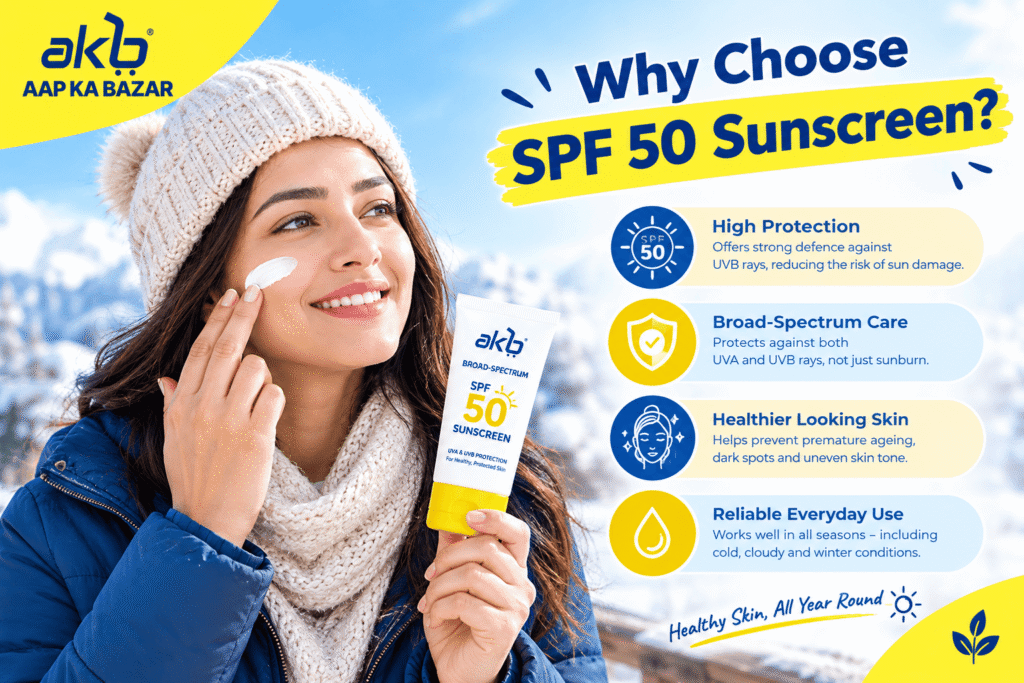
A sunscreen with SPF 50 is an excellent choice for protection from UVB rays when used correctly. Nonetheless, all sunscreens do not protect against all UV rays and depend on how much sunscreen is applied to the body.
Moreover, one should use a broad-spectrum sunscreen to provide protection against both UVB and UVA rays. Thus, it can be a good choice for those who need regular sun protection all-year-round.
To achieve the best effects, one should opt for a sunscreen that matches one’s skin type and gives broad-spectrum protection. People with sensitive and acne-prone skin types may consider using non-comedogenic sunscreens.
4. Apply Sunscreen Correctly During Winter
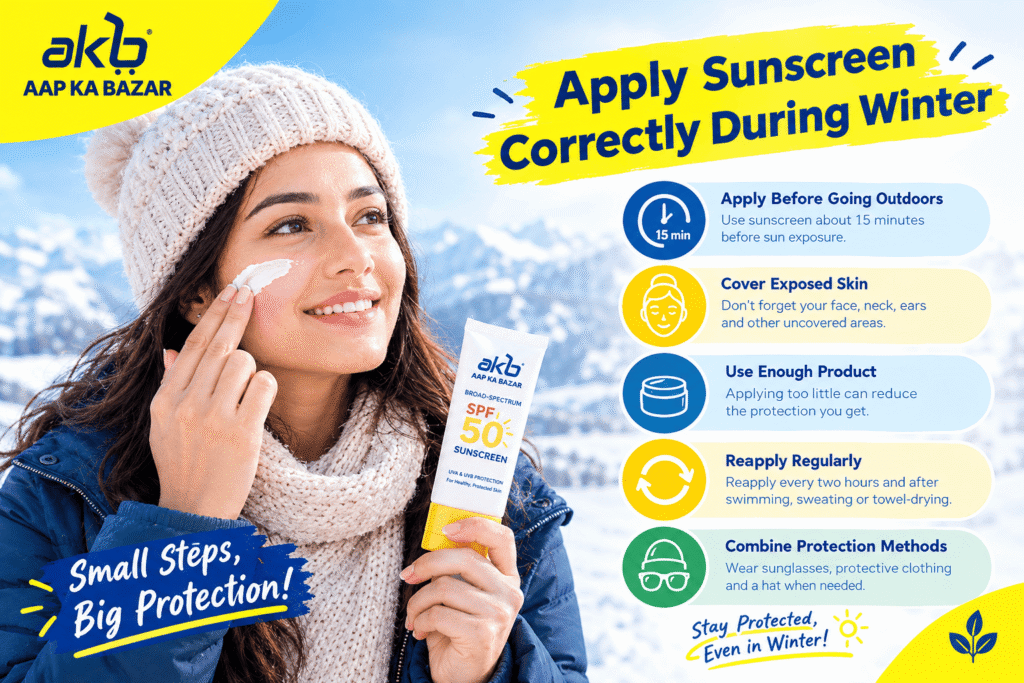
Selecting a suitable sunscreen is just one part of the story. The second step is using it appropriately.
- Apply prior to outdoor activities: This should be done according to the instructions for use, which usually means applying sunscreen around 15 minutes prior to sun exposure.
- Protect all exposed parts: Apply sunscreen to your face, neck, ears, and any other places that are left unprotected.
- Apply an adequate amount: Application of too small an amount of sunscreen can greatly decrease its effectiveness.
- Reapplication: You should reapply sunscreen every two hours if you stay outside and always after sunbathing, sweating, and drying with a towel.
- Also, use other types of protection: Use sunglasses, wear protective clothing, and put on a hat.
Thus, following these recommendations will allow you to achieve better results of protection in winter time.
5. Make Sunscreen Part of Your Daily Skincare Routine
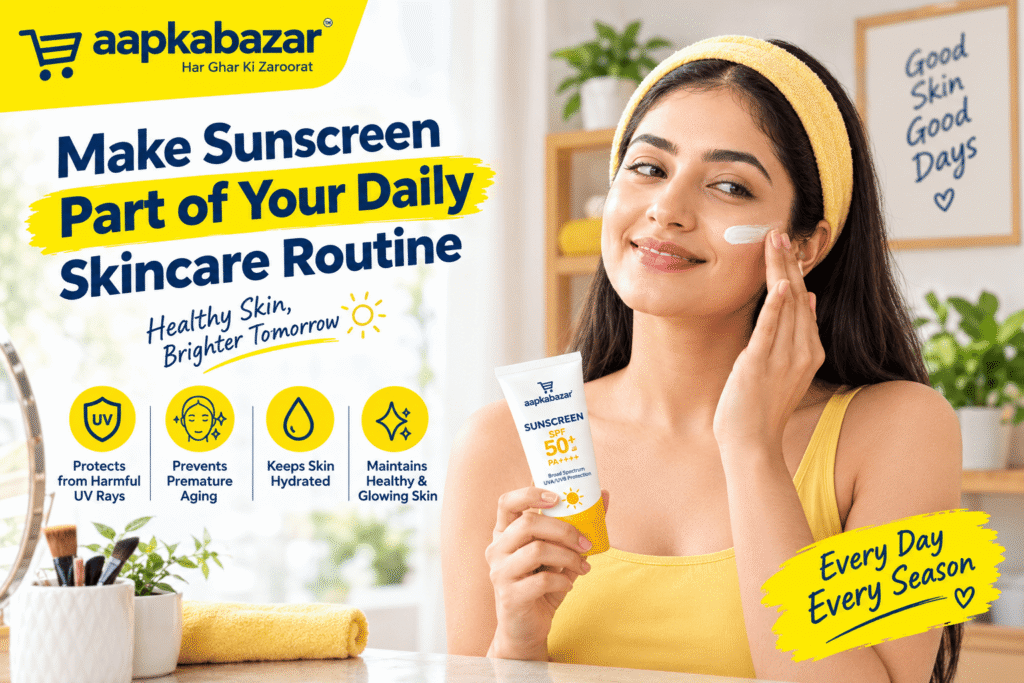
Consistency is important when it comes to protecting yourself from the sun. As such, make sure you apply sunscreen as your last step in your morning skin care regimen, if you wear makeup as well.
Also, note that sunscreen is not the only way to protect yourself. You may seek shade and wear appropriate clothes, which will help you to stay protected against excessive ultraviolet radiation.
If you are mainly going to be staying inside your home during the daytime, think about your exposure to sunlight through windows and while traveling outside. This will allow you to make using sunscreen your daily routine.
Conclusion
It does not mean that during winter season you are free from UV exposure. On the contrary, you can be exposed to UV rays even when there is cloudy weather or snow and ice that reflect radiation in some areas.
That is why applying a broad-spectrum SPF 50 sunscreen during the winter months would serve to protect your skin from harmful UVB and UVA rays.